
As summer approaches, the soaring temperatures can be challenging for pets, particularly dogs. Keeping your dog cool during the hot months is crucial for their well-being and prevents heat-related health issues. Proper care and attention are essential, as pets can suffer from heat exhaustion quickly.
There are effective strategies that pet owners can implement to ensure their furry friends stay comfortable. Simple measures such as providing ample shade, fresh water, and avoiding excessive outdoor activity during peak heat hours can significantly enhance a dog’s summer experience. Creating a consistently cool indoor environment can be equally important, which can involve routine HVAC servicing from firms such as Veterans AC & Heat, or even using pet safe cooling mats and elevated bedding to regulate body temperature indoors.
Understanding the signs of overheating in dogs is vital. By proactively managing their environment and routine, owners can help their pets thrive, no matter how high the mercury climbs.
Understanding the Risks of Heat for Dogs
Heat can pose serious risks to dogs, especially during summer months. Understanding how heat affects them, recognizing signs of overheating, and knowing about heatstroke is crucial for their well-being.
How Heat Affects Dogs
Dogs are susceptible to heat because their primary means of cooling is through panting. Unlike humans, they do not sweat in the same way. When temperatures rise, especially combined with high humidity, dogs can struggle to maintain a safe body temperature. Keeping indoor environments comfortably cool with proper ventilation or timely AC repair Phenix City (or from elsewhere) can help keep pets safe during extremely hot weather.
Excessive heat can lead to heat stress, where a dog’s normal bodily functions are disrupted. This condition can escalate quickly, causing significant health issues if not addressed. Factors like breed, age, and health status influence how easily a dog overheats, making it important for pet owners to monitor temperatures and ensure their homes can provide a cool and comfortable environment for their animals.
Recognizing Signs of Overheating
Signs of overheating can be subtle at first but worsen rapidly. Keep an eye out for:
- Excessive panting: Heavy breathing can indicate distress.
- Drooling: Increased salivation is a common reaction to heat.
- Rapid heartbeat: Elevated heart rates may signal overheating.
- Lethargy: Reduced energy levels often accompany stress from heat.
If a dog is exhibiting these signs, it’s crucial to intervene promptly. Ignoring these symptoms can lead to more severe consequences.
Heatstroke and Its Consequences
Heatstroke is a severe condition that occurs when a dog’s body temperature rises to dangerous levels. This can happen rapidly if a dog is exposed to high heat without adequate cooling options.
Signs of heatstroke include:
- High body temperature (above 104°F)
- Intense panting and drooling
- Weakness or confusion
- Vomiting or diarrhea
Heatstroke can lead to brain damage, organ failure, and even death. Immediate veterinary care is essential when heatstroke is suspected. The sooner treatment begins, the better the outcomes for the affected dog.
Essential Strategies to Keep Your Dog Cool
Maintaining a dog’s comfort in summer requires specific strategies. By ensuring they have access to water, adequate shade, and careful timing for activities, owners can effectively help their dogs avoid overheating.
Providing Fresh Drinking Water
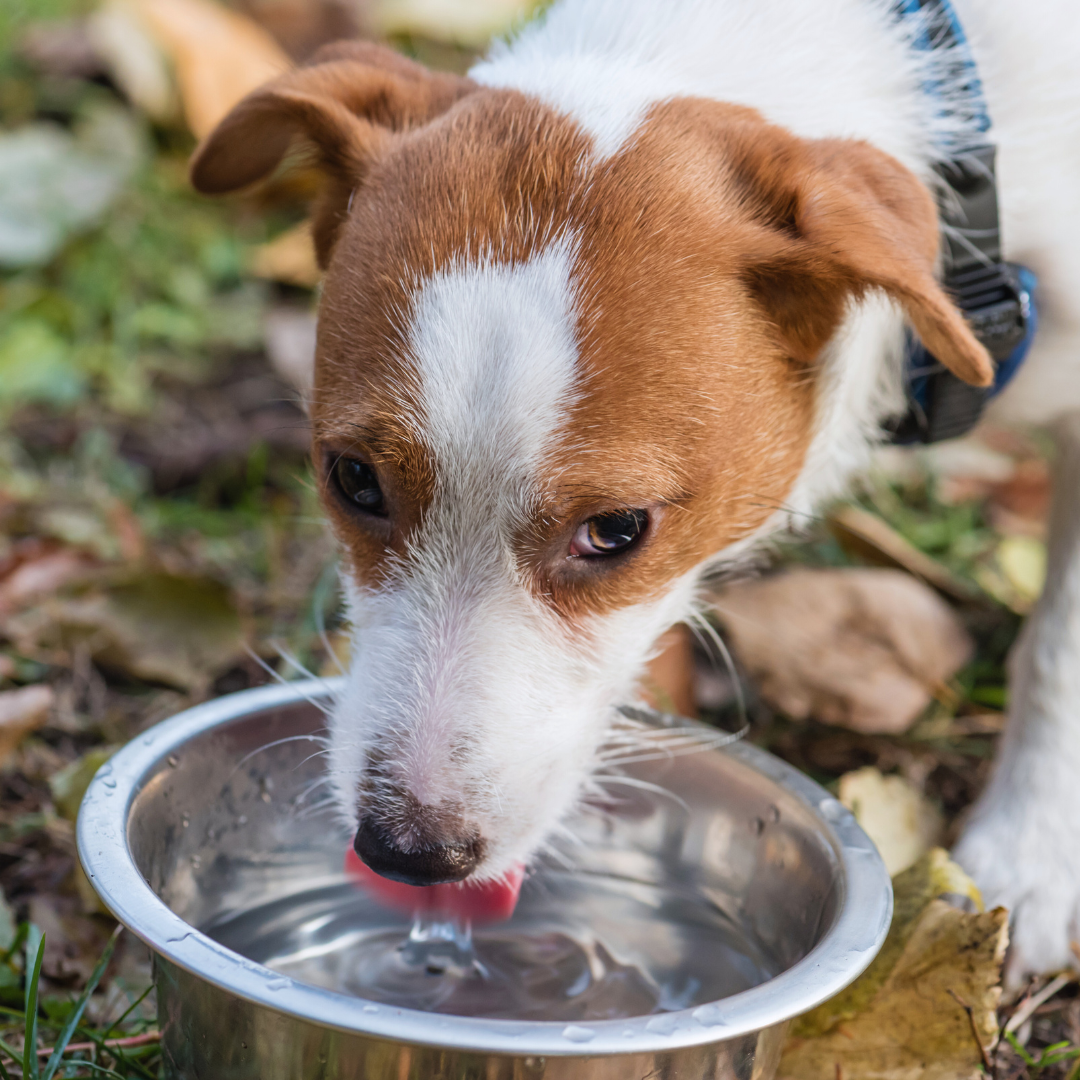
Hydration is crucial during hot weather. Dogs should have constant access to fresh, cool drinking water.
- Frequent Changes: Refresh the water multiple times a day to keep it enticing.
- Consider Bowls: Use stainless steel or ceramic bowls, as plastic can heat up quickly.
- Water Bottles: For outdoor activities, portable water bottles can be useful.
Incorporating ice cubes into their water can provide extra cooling. Monitoring your dog for signs of dehydration, such as excessive panting or lethargy, is essential.
Shade and Shelter Planning
Creating a cool environment is vital. Dogs should have access to shaded areas, especially during peak sun hours.
- Shade Structures: Use umbrellas, trees, or dog tents in your yard.
- Indoor Spaces: Ensure indoor areas are well-ventilated and comfortable.
- Cooling Mats: Special mats can provide extra comfort and cooling.
If leaving a dog outdoors, ensure they have plenty of fresh air. Regularly check on the dog’s comfort and temperature if they are outside for extended periods.
Timing Walks and Playing Safely
Choosing the right time for walks and play can significantly affect a dog’s comfort level. Early mornings or evenings are ideal for outdoor activities when temperatures are cooler.
- Short and Frequent Walks: Instead of prolonged outings, opt for shorter, more frequent walks.
- Pavement Checks: Always check the pavement temperature. If it’s too hot for your hand, it’s too hot for their paws.
- Indoor Play: When temperatures rise, engage in interactive games indoors.
This strategy keeps the dog active while minimizing heat exposure. Awareness of the weather conditions and the dog’s behavior will help in planning safe and enjoyable activities.
Additional Ways to Promote Comfort and Safety
Taking steps to manage the summer heat for dogs involves understanding humidity effects, recognizing signs of heat stress, and knowing when professional advice is necessary. The following aspects contribute to creating a safe environment for pets during warmer months.
Managing Humidity Indoors and Outdoors
Humidity can significantly affect a dog’s comfort in summer. High humidity levels reduce the effectiveness of a dog’s ability to cool off through panting. It is essential to maintain a well-ventilated indoor environment.
Tips for managing humidity:
- Use Fans: Ceiling or portable fans help circulate air, preventing stale warmth. Fans should be positioned to create a cross-breeze or directed towards areas where the pet frequently rests. While fans do not lower the air temperature, the moving air helps a dog’s natural cooling process by aiding in the evaporation of moisture from their mouth during panting.
- Air Conditioning: An AC unit can effectively keep indoor spaces cool and dry. Ensuring that HVAC systems are well maintained with the help of professionals from Platinum Air Heating & Cooling, or similar services, can ensure your system is performing optimally for your dog’s well being.
- Timing Walks: Schedule outdoor activities during cooler parts of the day, such as early morning or late evening. Strenuous exercise should be completely avoided during the mid-day heat to prevent heat stroke, which can be exacerbated by high humidity levels.
For outdoor spaces, providing shaded areas with awnings or trees can reduce direct sun exposure. Hydration is crucial, so always ensure fresh water is available.
Understanding Animal Behavior in the Heat
Dogs may exhibit specific behaviors when they are overheated or uncomfortable. Recognizing these signals can help owners take timely action to prevent heat stress.
Common signs include:
- Excessive Panting: A sign of distress or overheating.
- Lethargy: Lack of energy or refusal to engage in activities.
- Seeking Cool Surfaces: Dogs may lie on tiles or in shaded areas to cool down.
Additionally, breeds with thick fur or short snouts are more susceptible to heat issues. Owners must monitor their pets closely for these behaviors to ensure their safety.
When to Consult a Veterinarian
Identifying severe symptoms of heat stress is crucial. If a dog shows signs such as rapid breathing, vomiting, or difficulty standing, immediate veterinary attention is necessary.
When to seek professional help includes:
- Persistent Vomiting: Continuous vomiting can lead to dehydration.
- Severe Lethargy: Unresponsiveness or extreme tiredness points to a serious condition.
- Body Temperature Above 104°F (40°C): A dog’s normal temperature is between 101°F (38.3°C) and 102.5°F (39.2°C).
In such cases, swift action can prevent serious health complications. Recognizing when to seek assistance is vital in safeguarding a dog’s well-being during summer heat.