
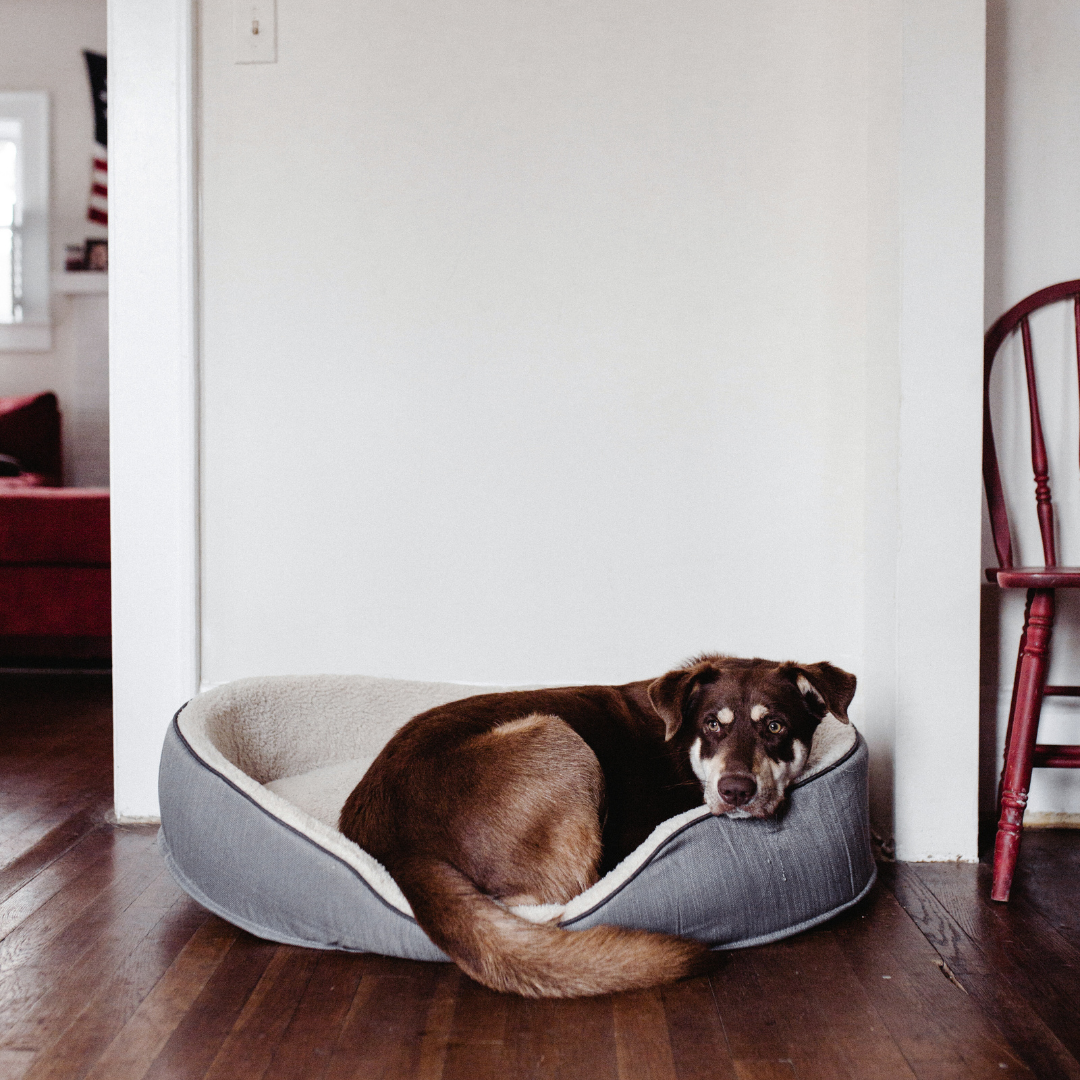
Choosing the right dog bed is essential for a pet’s comfort and well-being. Consider factors such as your dog’s size, age, and sleeping habits when selecting a bed. A suitable bed can improve your dog’s quality of sleep and reduce joint pain, making a significant difference in their daily life.
Different types of dog beds serve various needs. For instance, orthopedic beds provide extra support for older dogs, while washable options are ideal for younger or messier pets. Material and design also play crucial roles in ensuring durability and safety.
Pay attention to your dog’s preferences. Some dogs prefer to curl up in a nest-style bed, while others might like to stretch out on a flat surface. Ensuring the right fit and style can enhance a dog’s relaxation and overall happiness.
Understanding Your Dog’s Needs
Choosing the right dog bed requires consideration of individual factors related to a dog’s comfort and health. Each canine has unique needs based on sleeping habits, physical condition, and sensitivities that must be addressed.
Assessing Sleeping Style
Dogs exhibit various sleeping styles that influence their bed selection. Some dogs prefer curling up, while others like to stretch out fully.
- Curled Up: Breeds that curl, like Chihuahuas, benefit from a raised bed or one with bolsters that provide a sense of security.
- Stretched Out: Larger breeds, such as Labrador Retrievers, require spacious beds that allow full extension.
Additionally, dogs that tend to dig before settling might prefer durable materials, ensuring the bed withstands their behavior. Understanding their sleeping style leads to a better choice that promotes restful sleep.
Considering Age and Health
A dog’s age and health significantly impact bed selection. Puppies may require softer, supportive beds as they grow, while older dogs may benefit from orthopedic options that alleviate joint pain associated with conditions like arthritis.
- Orthopedic Beds: These are designed with memory foam to provide proper support and may be crucial for senior dogs.
- Easy Access: Low-profile beds or ramps can help aging dogs with mobility issues.
Understanding these factors helps in selecting a bed that supports their body and enhances their well-being throughout their life stages.
Recognizing Allergies and Sensitivities
Many dogs suffer from allergies that can be exacerbated by their bedding materials. Identifying these sensitivities is essential for maintaining health.
- Hypoallergenic Materials: Selecting beds made from hypoallergenic fabrics can reduce the risk of allergic reactions.
- Washing Ease: Dogs prone to skin sensitivities require beds that are easy to clean.
Choosing beds made from breathable and washable materials helps create a healthy sleeping environment. Awareness of these factors enables owners to make informed decisions that prioritize their dog’s comfort and health.
Exploring Dog Bed Types and Features
Choosing the right dog bed involves understanding the various types and features available. This knowledge helps pet owners make informed decisions that cater to their dog’s specific needs.
Popular Types of Dog Beds
There are several popular types of dog beds, each designed for different preferences. Bolster beds feature raised edges that provide a sense of security and are ideal for dogs who like to curl up. Pillow dog beds offer a flat surface, providing ample space for dogs that stretch out while sleeping.
Cave-style beds allow dogs to burrow inside, giving them comfort and warmth. Elevated dog beds keep dogs off the ground, promoting airflow and cooler sleeping conditions, which is particularly beneficial in warmer climates. For those seeking comfort, orthopedic dog beds use memory foam to support joints, making them excellent for older dogs or those with mobility issues.
Key Materials and Fills
The materials used in dog beds can significantly impact comfort and durability. Cotton and microfiber are commonly used for their softness and easy maintenance. They provide a cozy surface that many dogs enjoy.
For enhanced support, memory foam is distinguished for its ability to conform to a dog’s body shape, reducing pressure points. Fiberfill is another popular option for basic padding, though it may flatten over time.
Choosing a bed with a removable, washable cover is crucial for hygiene. This feature allows for easy cleaning and maintenance, ensuring a fresh sleeping environment.
Specialty Beds for Unique Requirements
Certain dogs may benefit from specialty beds designed to address specific needs. Heated dog beds provide warmth in colder climates, ideal for older dogs or those with arthritis.
Orthopedic beds specifically cater to dogs with joint pain, offering substantial support and relief. For travel or home use, crate mats are convenient options that fit inside standard crates, providing comfort wherever needed.
Cots are notable for their elevated design and durability, suitable for both indoor and outdoor use. Selecting the right type of bed while considering a dog’s lifestyle and health can greatly enhance their comfort and well-being.
Key Factors in Choosing the Right Dog Bed
Selecting the right dog bed involves multiple considerations, including size, comfort, durability, and maintenance. This combination ensures that both the dog’s needs and the owner’s preferences are addressed effectively.
Size and Fit
Choosing the appropriate size is crucial for a dog’s comfort. The bed should accommodate the dog’s sleeping position—whether curled up or stretched out. Owners should measure their pet from nose to tail and add a few inches to ensure a proper fit.
Consider the space available in the home. Larger beds take up more room, while smaller options may be better for confined areas. Reference guides for dog bed sizes often categorize by breed, making it easier for owners to identify the best choice.
Comfort and Support
Comfort directly impacts a dog’s sleep quality. Memory foam and orthopedic beds provide excellent support, particularly for older dogs or those with joint issues. These materials conform to the dog’s body, alleviating pressure points.
Additionally, consider the bed’s height from the floor. Elevated beds can be beneficial for dogs that may have trouble getting up or down easily. Owners should also take into account the bed’s surface texture, as a soft fabric can enhance cozy feelings.
Durability and Maintenance
Durability is essential for long-lasting use. High-quality materials resist wear and tear, particularly for enthusiastic chewers or diggers. Look for beds made from robust fabrics like nylon or canvas for greater resilience.
Maintenance is equally important. Many dog beds come with machine-washable covers, which simplifies cleaning. Regular washing can reduce pet dander and allergens, helping maintain a healthy environment for both the dog and the owner.
Hypoallergenic and Easy-to-Clean Features
Hypoallergenic beds minimize the effects of pet dander and dust mites. These features are particularly beneficial for dogs with sensitivities or allergies. Materials like microfiber or specially treated fabrics can significantly reduce allergic reactions.
Easy-to-clean beds save time and effort. Covers that can be removed and machine-washed contribute to a hygienic sleeping area. Pet owners should aim to wash the bed regularly, as a clean space promotes the dog’s well-being and comfort.