
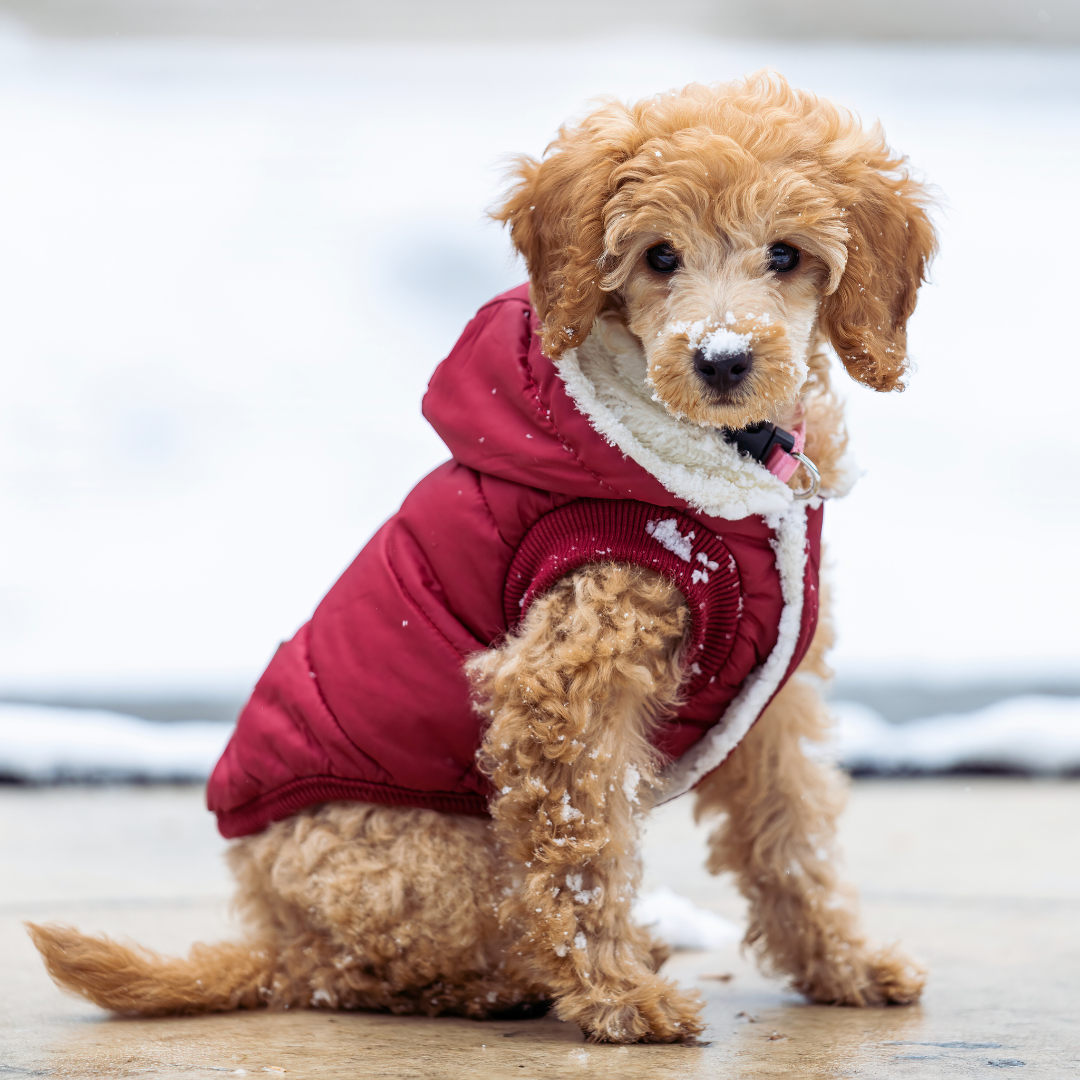
As the cold winter months approach, pet owners must ensure their dogs stay warm and comfortable. Essential winter clothes for dogs include insulated jackets, booties, and warm sweaters designed to protect them from harsh weather conditions. These items not only keep dogs cozy but also help maintain their health during extreme temperatures.
Choosing the right winter apparel can make a significant difference in a dog’s quality of life during winter walks. Many breeds with shorter fur or smaller bodies are particularly susceptible to the cold and benefit from layered clothing. Understanding the specific needs of a dog can guide owners in selecting appropriate outfits to suit their pet’s lifestyle and comfort.
In addition to warmth, functionality is key. Clothes should allow for ease of movement and consideration for bathroom breaks. With the right winter gear, dogs can enjoy outdoor adventures without the discomfort of freezing temperatures.
Why Dogs Need Winter Clothing
Cold weather poses unique challenges for dogs. Certain breeds are more susceptible to temperature changes, making winter clothing essential to their well-being. This section highlights key factors surrounding canine sensitivity to cold and the importance of proper clothing.
Understanding Canine Vulnerability to Cold
Dogs experience cold weather differently from humans. Small breeds, like Chihuahuas and Dachshunds, often have less body fat to insulate them. Consequently, they can lose heat quickly, making them especially vulnerable in frigid temperatures.
Puppies also require extra attention. Their immature bodies cannot adapt to cold as efficiently as adult dogs. Owners should watch for signs of discomfort, such as shivering or reluctance to go outdoors.
Temperature isn’t the only concern; wind chill can exacerbate cold conditions. In windy weather, even larger breeds like Greyhounds can feel the effects. Adequate winter clothing ensures that vulnerable dogs maintain a comfortable body temperature.
Risks of Overheating and Proper Use
While winter clothing is important, owners must be cautious about overheating. Dogs regulate body heat through panting, and additional layers may hinder this process. Signs of overheating include excessive panting, drooling, or lethargy.
It is vital to choose the right material and fit for winter gear. Breathable fabrics prevent overheating while providing warmth. A snug but comfortable fit allows for easy movement without restricting circulation.
Owners should also adjust clothing based on the duration of outdoor activities. Short walks may not require heavy insulation, while longer periods outside, particularly in severe cold, necessitate more substantial attire.
Breed-Specific Cold Weather Concerns
Different breeds react uniquely to cold weather. Greyhounds, with their short hair and low body fat, require extra layers during the winter months. They can become cold easily, making insulating jackets essential.
Conversely, some larger breeds, such as Huskies, have thick fur coats and may be more resistant to cold. However, they still benefit from additional protection in extreme conditions.
Dachshunds, with their elongated bodies and short legs, tend to struggle more with snow and cold. Clothing that covers their bellies is vital to keep them warm. Understanding breed differences helps owners select appropriate winter clothing tailored to their dog’s needs.
Essential Winter Clothes for Your Dog
Providing appropriate winter clothing for dogs can significantly enhance their comfort and safety during cold weather. Key items include jackets, sweaters, boots, and high-quality coats that offer insulation and protection.
Dog Jackets with Suitable Insulation
Dog jackets are essential for keeping pets warm, especially those with short or thin fur. Look for jackets made from materials such as fleece, nylon, or down, which provide excellent insulation.
Key features to consider:
- Water Resistance: A water-resistant outer layer prevents moisture from reaching the dog’s skin.
- Proper Fit: Jackets should fit snugly, covering the dog’s neck, back, and belly without restricting movement.
- Adjustable Straps: These ensure the jacket stays in place during walks or play.
Select a jacket that suits the dog’s breed and size. Warmer jackets are preferable for areas that experience extreme cold.
Choosing and Using Dog Sweaters
Dog sweaters can offer additional warmth, especially for smaller breeds that are more susceptible to the cold. They typically come in various materials, with wool and acrylic being popular choices.
Factors to consider:
- Size and Fit: Measure the dog’s chest and length to ensure proper sizing. Sweaters should not be too tight or too loose.
- Ease of Wear: Look for sweaters with elastic openings to make dressing easier.
- Design Options: Choose sweaters with fun designs that suit the owner’s taste while providing functionality.
Regularly check the sweater for signs of wear and tear, replacing it as needed to maintain warmth and comfort.
Selecting the Right Dog Boots
Dog boots protect paws from cold surfaces, ice, and snow. They are particularly valuable for dogs that spend extended time outdoors.
Important considerations include:
- Material and Construction: High-quality boots should be durable, waterproof, and easy to clean. Rubber soles provide traction on slippery surfaces.
- Sizing: Measure the width and length of the dog’s paws to ensure a proper fit. Boots should fit snugly to prevent slipping off.
- Adjustability: Look for boots with adjustable straps or Velcro to help secure them in place.
Introduce boots gradually to help dogs acclimate to wearing them, ensuring they can move comfortably.
Features of a High-Quality Dog Coat
A high-quality dog coat is vital for keeping pets warm during winter walks. Look for features that enhance functionality and comfort.
Essential features include:
- Material: Waterproof and breathable fabrics, such as Gore-Tex, are ideal for protection against the elements.
- Insulation Level: Coats with thick insulation offer superior warmth during extreme conditions.
- Reflective Elements: Coats with reflective stripes enhance visibility during low-light conditions, improving safety during walks.
Consider additional features like harness openings or integrated collars for added convenience. A well-chosen coat can make outdoor winter activities enjoyable for dogs and their owners.
Criteria for Selecting Safe and Practical Dog Clothing
When selecting clothing for dogs, careful consideration of fit, materials, and durability is essential. The right choices enhance comfort and protect against harsh winter conditions. This ensures that pets remain warm while being able to move freely.
Ensuring the Correct Fit for Comfort
A proper fit is paramount for dog clothing. Ill-fitting garments can restrict movement or cause discomfort. Clothing should allow for easy walking, running, and playing.
Key considerations include:
- Length: Measure from the base of the neck to the base of the tail.
- Chest girth: Measure around the widest part of the chest.
- Neck circumference: Measure around the neck where the collar sits.
Adjustable features like Velcro straps can enhance fit and comfort, reducing the risk of chafing. Clothing should not be too tight, allowing for the dog’s natural movements.
Material Choices and Machine-Washable Options
Selecting the right material is crucial for warmth and comfort. Look for fabrics that provide insulation yet are breathable.
Recommended materials include:
- Fleece: Soft and warm, ideal for insulation.
- Water-resistant fabrics: Essential for snow or rain protection.
- Cotton blends: Comfortable and often machine-washable.
Machine-washable items save time on maintenance and ensure hygiene. It’s important to verify care instructions to maintain the garment’s integrity over time. Stains and odors can be effectively managed with regular washing.
Durability and Weather Resistance
Winter clothing must withstand various weather conditions. Strong, durable fabrics ensure longer-lasting wear. Reinforced stitching is essential in areas that experience stress, such as seams and closures.
Features to look for include:
- Waterproof or water-resistant materials: Protect against wet conditions.
- Windproof layers: Shield from icy winds, maintaining warmth.
- Reflective elements: Increase visibility in low-light conditions.
Durable clothing enables dogs to enjoy outdoor activities during winter. Investing in quality pieces pays off in the long term as they resist wear and retain functionality.