
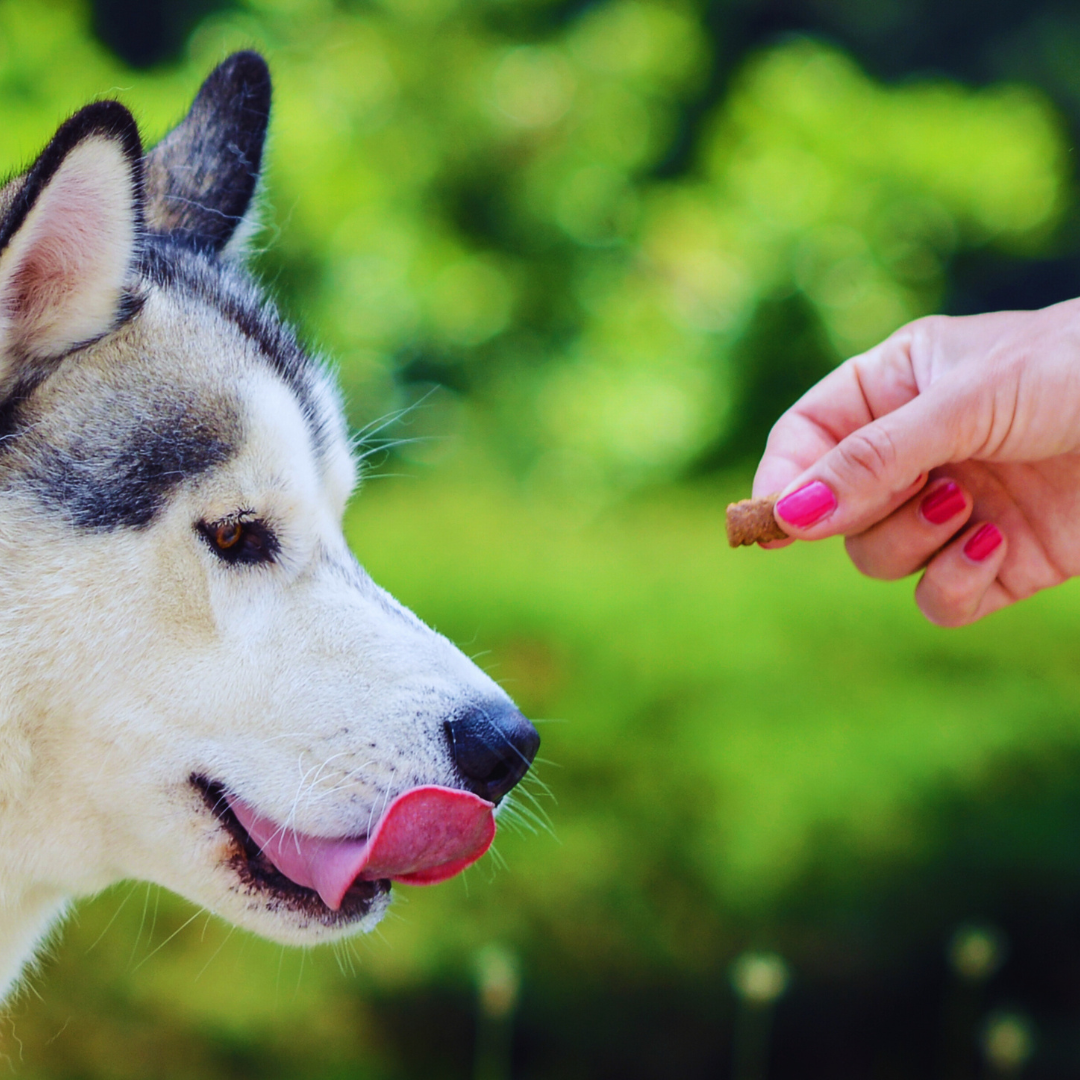
Many dog owners may not realize that some common human foods can be harmful or even toxic to their pets. It is crucial to know what foods should never be fed to dogs to ensure their health and safety. A simple mistake with a seemingly harmless treat can lead to serious health issues or emergencies.
Certain items, like chocolate, grapes, and onions, pose significant risks to dogs and should be completely avoided. Owners can protect their dogs by being informed about these dangers and choosing safe alternatives for treats or snacks. Educating oneself about proper canine nutrition is essential for a happy, healthy pet.
By understanding the impact of specific foods, caregivers can make informed choices that contribute to their dog’s well-being. This knowledge not only prevents potential health crises but also enhances the bond between a pet and its owner through thoughtful care.
Toxic Foods That Should Never Be Fed to Dogs
Certain foods are harmful to dogs and can lead to severe health issues. Awareness of these toxic items is crucial for any pet owner to ensure their dog’s safety and well-being.
Chocolate and Caffeine Products
Chocolate contains theobromine, which is toxic to dogs. Even small amounts can cause symptoms such as vomiting, diarrhea, and increased heart rate. Dark chocolate and baking chocolate contain higher concentrations of theobromine, making them particularly dangerous.
Caffeine is also harmful. It is found in coffee, tea, and energy drinks. Even a small quantity can lead to restlessness, rapid breathing, and elevated heart rate in dogs. Owners should ensure that these items are stored away from their pets.
Grapes, Raisins, and Avocados
Grapes and raisins can lead to acute kidney failure in dogs. The exact toxic substance is unknown, but even small amounts can trigger severe reactions. Symptoms may include vomiting, lethargy, and decreased appetite, which can progress quickly.
Avocados contain a substance called persin, which can cause vomiting and diarrhea. While some pets might tolerate small amounts, it is safest to avoid giving any avocado to dogs to prevent health complications.
Onions, Garlic, and Chives
Onions and garlic, whether raw or cooked, contain compounds that can damage dogs’ red blood cells. This condition is known as hemolytic anemia. Symptoms include weakness, lethargy, and red-tinged urine. Even small quantities over time can be harmful.
Chives fall into the same category and are equally toxic. Their effects are similar, impacting a dog’s digestive and circulatory systems. Pet owners should be cautious when preparing meals and avoid adding these ingredients to food meant for dogs.
Common Human Foods That Are Dangerous for Dogs
Certain human foods can pose serious health risks to dogs. Awareness of these items is crucial for pet owners to ensure their animals remain safe and healthy.
Alcohol and Xylitol
Alcohol can be extremely toxic to dogs. Even small amounts can lead to symptoms like vomiting, coordination problems, and in severe cases, coma or death. Common items like beer, wine, and spirits should be kept far from pets.
Xylitol, a sugar substitute found in sugar-free products, is also dangerous. When ingested, it can cause insulin release, leading to hypoglycemia, liver failure, or even death. Products that may contain xylitol include gum, candies, and some baked goods. Keeping these items away from dogs is essential for their safety.
Dairy and Milk Products
Many dogs are lactose intolerant, which means they struggle to digest dairy. Consuming milk and dairy products can lead to gastrointestinal upset, including diarrhea and stomach pain. Items like cheese and ice cream can be particularly tempting for dogs but may cause discomfort.
Some dairy products may also contain added sugars or harmful ingredients, further increasing their risk. Monitoring a dog’s reaction to dairy consumption is important. If a dog shows signs of distress, it’s best to eliminate these items from their diet.
Mushrooms and Yeast
Mushrooms are especially concerning, as certain varieties are toxic to dogs. Common wild mushrooms can cause severe reactions, including liver damage or even death. Dog owners should avoid allowing their pets to forage for mushrooms during walks or hikes.
Yeast dough is another hazardous item. If ingested, it can expand in the dog’s stomach, causing painful bloating or even rupture. Baked goods containing yeast should also be avoided to prevent these serious health issues. Always check food labels to ensure the safety of any treats given to dogs.
Foods That Pose Choking or Digestive Risks
Certain foods can pose significant choking hazards or lead to serious digestive issues in dogs. Awareness of these risks helps pet owners make safer choices for their canine companions.
Cooked Bones and Bacon
Cooked bones can splinter and cause blockages or tears in a dog’s digestive tract. Unlike raw bones, which may be safer, cooked bones are brittle and can break easily. It’s crucial to avoid giving dogs any type of cooked bone.
Bacon, while tempting, is high in fat. The richness can lead to pancreatitis, an inflammation of the pancreas. Additionally, bacon can contribute to obesity if consumed in excess.
Peanut Butter and Beans
Peanut butter can be safe in moderation, but it’s essential to check for xylitol, a sugar substitute that is toxic to dogs. Large amounts of peanut butter can also lead to obesity due to its high caloric content.
Beans, especially if they are raw or improperly cooked, can be harmful. They contain lectins that are toxic to dogs when not processed correctly. Owners should ensure that any beans given are thoroughly cooked and served in small amounts.
Corn on the Cob
Corn on the cob is a choking hazard for dogs due to its cob structure. If swallowed, it can lead to intestinal blockages, which may require surgical intervention.
While corn kernels themselves are generally safe for dogs, the cob poses an unnecessary risk. It is advisable to remove the corn from the cob before serving it to a dog, ensuring a safer treat option.
Lesser-Known Harmful Foods and Ingredients
Certain foods can be unexpectedly harmful to dogs, often overlooked by pet owners. Understanding these specific ingredients is crucial for maintaining a dog’s health.
Macadamia Nuts
Macadamia nuts are toxic to dogs and can lead to serious health issues. Even a small amount can cause symptoms such as lethargy, vomiting, and tremors. The exact compound responsible for the toxicity is unknown, but the effects can last for up to 48 hours.
Signs of macadamia nut poisoning may include:
- Weakness
- Hyperthermia
- Abdominal pain
Pet owners should avoid giving macadamia nuts or any products containing them as treats.
Other Unsafe Additives and Foods
Several other foods and additives are harmful to dogs but might not be commonly recognized.
Avocados contain a substance called persin, which can cause gastrointestinal distress in dogs, including vomiting and diarrhea. While small amounts might be tolerated, it’s best to err on the side of caution.
Nuts, in general, can be problematic. Many varieties, like walnuts and pecans, can lead to pancreatitis due to their high fat content. Additionally, nuts can pose a choking hazard.
Pet owners should carefully vet food ingredients and avoid any that may be harmful to ensure their dog’s safety and well-being.